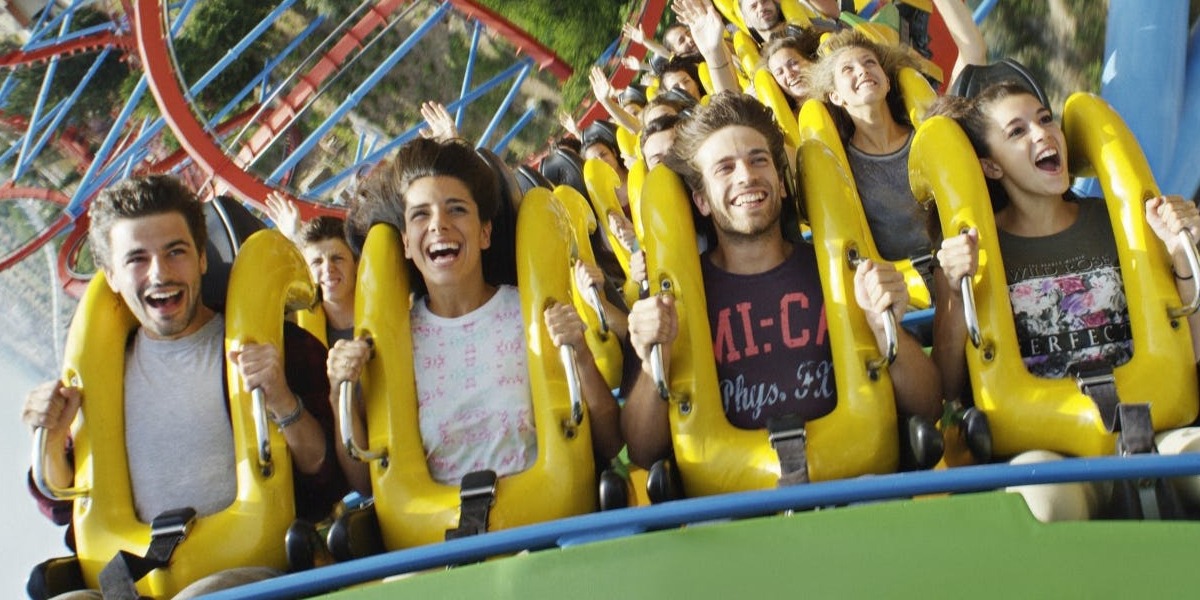
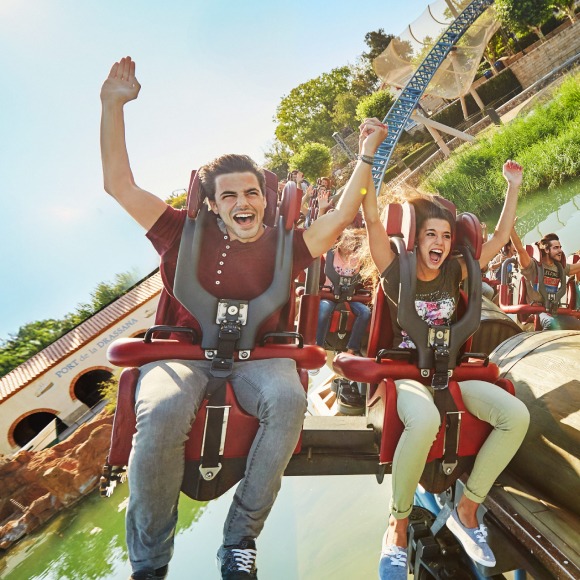
Personas gritando de emoción en una atracción de PortAventura Park

If we look back at the history of amusement parks, we see that humans have always sought ways to defy gravity and experience strong emotions. But when we think about it logically, it’s curious: why do we like fear? What drives us to voluntarily get into a cart that will throw us into the void at extreme speeds?

The answer is not madness, but biology and psychology. The combination of fear and adrenaline creates a chemical cocktail in our brain that is extremely addictive. If you’ve ever wondered why we love rides that give you goosebumps, here is the exact science behind this thrilling experience.


The fear paradox: why do we pay to feel bad?

At first glance, our survival instinct should push us away from anything that simulates mortal danger. However, thrill rides attract us like a magnet. We pay for a ticket, patiently wait in line, and strap ourselves into a seat to feel like we are falling into the void.

This “fear paradox” is explained by the fact that, deep down, our brain knows the danger is not real. We enjoy the rush of facing a perceived threat and surviving it to tell the story, all within a completely safe environment.


What happens to your body on a roller coaster

To understand why we enjoy roller coasters, we need to look at what happens under our skin. From the moment you hear the chain lift you up the first hill, your body activates the “fight or flight” response.
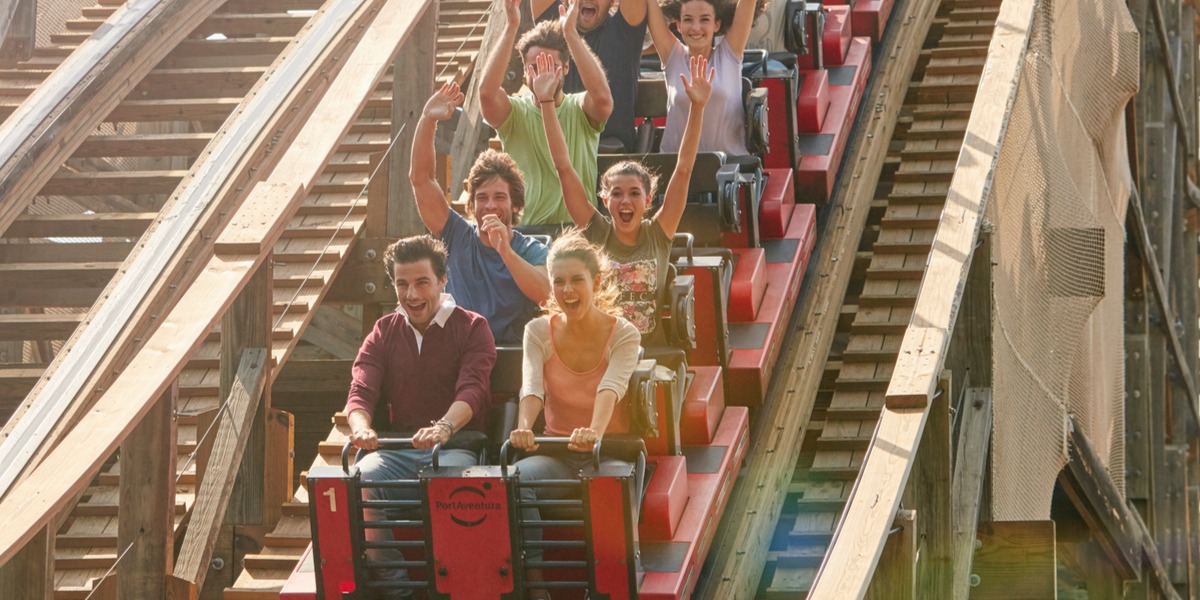
Familia gritando con los brazos en alto en una montaña rusa de PortAventura

Adrenaline: the hormone that changes everything

Your heart speeds up, your breathing becomes faster, and your pupils dilate. This explains why we love adrenaline. This hormone prepares us for immediate action, sharpening our senses and making us feel more alive and alert than ever.


Dopamine and endorphins: pleasure after the scare

Just when the brakes engage and you realize you are safe, your brain releases a flood of dopamine (the reward hormone) and endorphins (natural painkillers that create euphoria). This is the exact moment when you go from screaming in fear to laughing uncontrollably.

Grupo de amigos paseando y sonriendo por PortAventura Park

Cortisol: why your brain remembers the experience

During the ride, cortisol is also released, the stress hormone. In controlled doses like those in a theme park, cortisol helps the brain record the experience very vividly, turning the ride into an unforgettable and exciting memory.


The psychology behind controlled fear

The psychology of fear on rides is based on one key concept: the safety frame.


The difference between real fear and safe fear

Leaning over a cliff with no protection is not the same as doing it strapped into a state-of-the-art harness. In amusement parks we experience “safe fear.” Harnesses, tracks, and technology act as a psychological safety net that allows your mind to relax and enjoy the ride, knowing engineers have everything under control.

Personas sujetas con arneses de seguridad amarillos gritando en una montaña rusa

Why some people love rides and others avoid them

Not all brains process these substances in the same way. While some people experience dopamine release as an incredible reward, others perceive adrenaline and cortisol as stress or dizziness. It all depends on your personal neurochemistry and past experiences.


Sensation seekers: what science says

Psychology defines thrill lovers as “sensation seekers.” According to science, these individuals have a biological need for novel, varied, and complex stimuli to reach their optimal level of brain arousal.

For them, a 130 km/h drop is not panic, but the perfect dose of stimulation their nervous system needs to feel pleasure.


Thrill rides at PortAventura to experience it firsthand

If you are ready to test this chemical cocktail, PortAventura Park and its surrounding parks are the perfect laboratory for thrill seekers.


Shambhala: free fall and speed

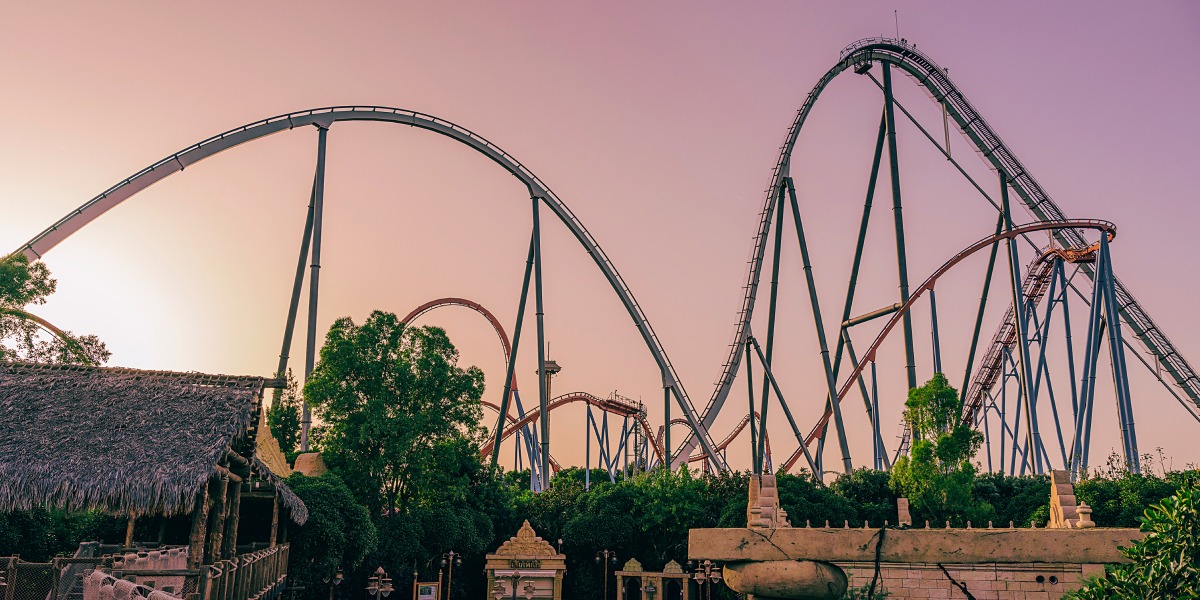
With its impressive climbs and airtime moments (where you feel like you are floating above your seat), Shambhala is the queen of endorphins. Its design, with no inversions but extreme drops, tricks the brain into an unmatched flying sensation.

Montaña rusa Shambhala de PortAventura Park al atardecer

Furius Baco: brutal acceleration

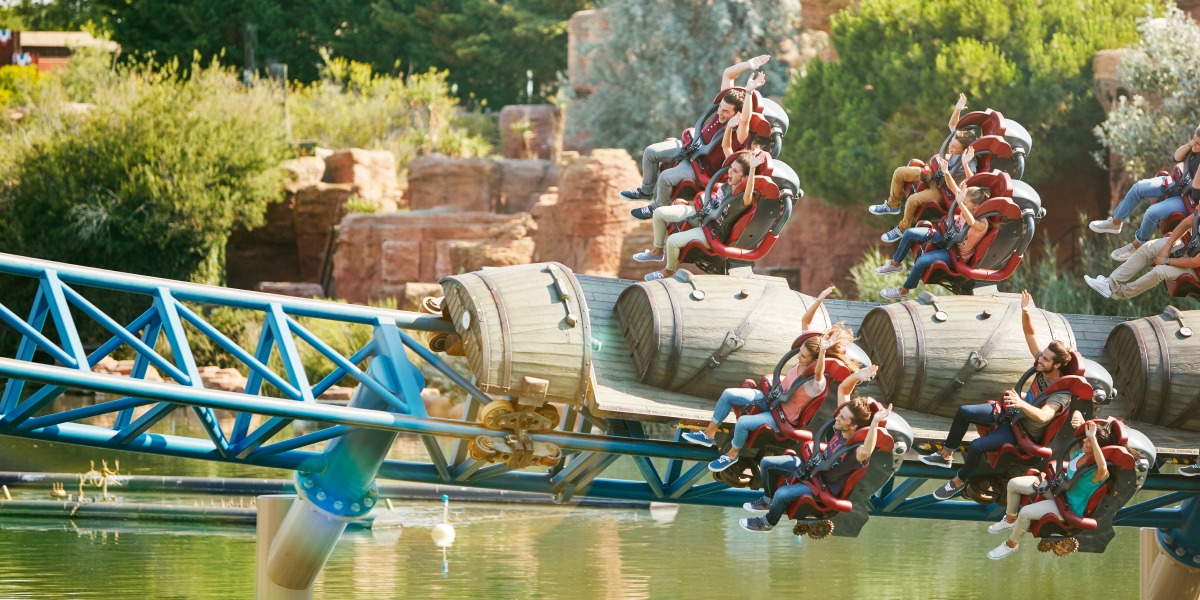
Pure adrenaline has a name: Furius Baco. Going from 0 to 135 km/h in just 3 seconds triggers the alert instinct to its maximum level from the very first millisecond.

Vagones de Furius Baco con pasajeros a máxima velocidad en PortAventura Park

Red Force at Ferrari Land: the fastest in Europe

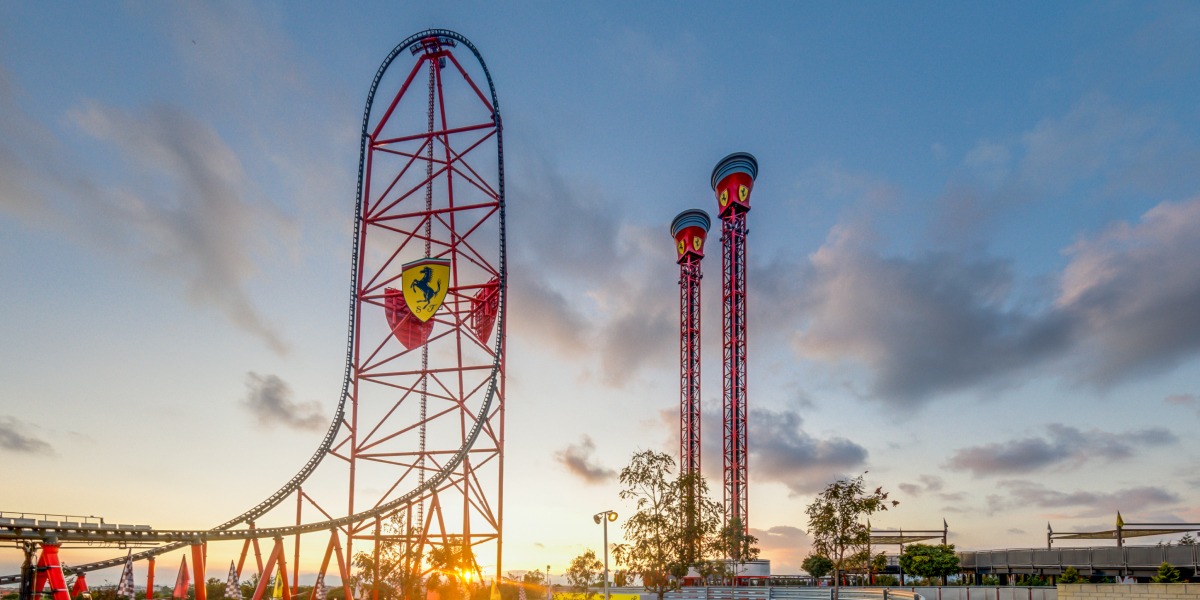
Crowning the resort skyline, Red Force launches you to 112 meters in height at a speed of 180 km/h. As one of the fastest roller coasters in Europe, it delivers the ultimate experience of speed and vertigo.

Atracción Red Force de Ferrari Land en PortAventura World al atardecer

How to mentally prepare for your first extreme ride

If you want to go from family attractions to the most intense ones, preparation is everything. Here are the best tips:

  • Start gradually: Don’t go straight to the tallest ride. Warm up with medium-intensity attractions so your body gets used to G-forces.
  • Breathe deeply: While waiting in line, take slow breaths to control cortisol levels and avoid nervousness taking over.
  • Don’t close your eyes: Watching where you are going helps your brain anticipate movements, significantly reducing dizziness and fear of the unknown.
  • Scream as much as you need: Screaming releases physical and mental tension, improving the feeling of euphoria at the end of the ride.


Frequently asked questions

For a healthy person, it is not bad at all. However, riding extreme attractions back-to-back without breaks can overstimulate the vestibular system (responsible for balance), causing dizziness. Ideally, you should alternate roller coasters with shows or calmer attractions.

It depends on the minimum height requirement of each attraction (usually from 1.40 m for the most intense ones) and the child’s maturity. A minor should never be forced to ride if they don’t want to, as the “safe fear” effect only works when the decision is voluntary.

Understanding why we are drawn to controlled danger helps us enjoy every drop, every turn, and every brake even more. In the end, we are the place where everyone agrees: both those seeking absolute relaxation and those who need to feel the wind at over 100 km/h on their face.

Book your tickets now and come unleash your adrenaline at PortAventura World!